
Exploring the Art of Qvevri Winemaking: A Timeless Tradition of Georgian Wine
Wine has a rich history, with countless regions around the world claiming to be the birthplace of this beloved beverage. Rooted in Georgia, one of the oldest wine-producing regions, qvevri winemaking is not just a method of producing wine—it's a cultural practice that has been passed down through generations for over 8,000 years.
5/8/20244 min read
Wine has a rich history, with countless regions around the world claiming to be the birthplace of this beloved beverage. However, few winemaking methods are as ancient and unique as qvevri winemaking. Rooted in Georgia, one of the oldest wine-producing regions, qvevri winemaking is not just a method of producing wine—it's a cultural practice that has been passed down through generations for over 8,000 years.
What is a Qvevri?
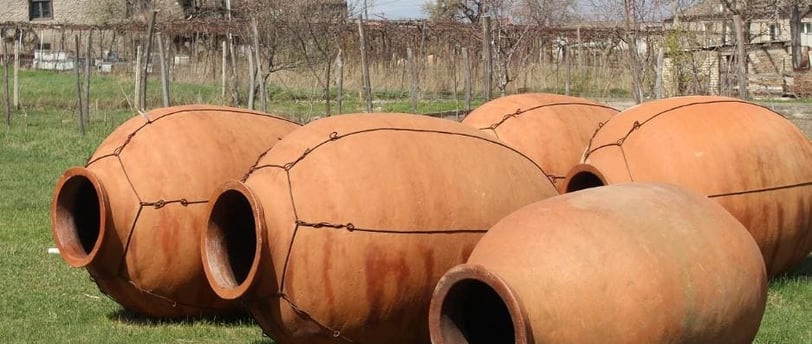
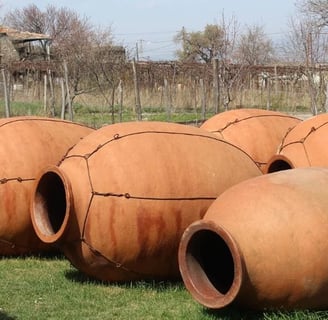
A qvevri is a large, egg-shaped clay vessel used for fermenting and aging wine. Typically ranging from 50 to 200 liters, these earthenware containers are traditionally buried underground, where they maintain a consistent temperature. Their shape and natural properties are ideal for creating wines with complex flavors and aromas that are characteristic of Georgia's winemaking tradition.
The qvevri itself is made from clay that is often sourced from the region's rich soils, adding an additional layer of uniqueness to the wine. The clay's porous nature allows for micro-oxygenation, a process where tiny amounts of air interact with the wine, creating a deeper, more nuanced profile.
A Glimpse into the Ancient Art of Qvevri Winemaking
Qvevri winemaking in Georgia has ancient roots, with evidence suggesting that wine has been produced in the region since around 6000 BCE. This method is often considered one of the oldest, and it predates the use of barrels, modern fermentation tanks, and even glass bottles.
The process of making wine in a qvevri is labor-intensive, requiring a deep understanding of both the vineyard and the unique nature of the clay containers. Here's a step-by-step look at how the process works:
Harvesting the Grapes: The process begins, as it does with any winemaking, with the harvest. In Georgia, native grape varieties like Saperavi (red) and Rkatsiteli (white) are commonly used. The grapes are typically hand-harvested, ensuring only the best fruit makes it into the wine.
Crushing and Fermentation: The whole clusters of grapes are crushed, and the juice is placed directly into the qvevri, along with the skins, seeds, and sometimes stems. This is crucial to producing the characteristic tannic structure and rich flavors that qvevri wines are known for. The natural fermentation process begins inside the qvevri, often with the help of wild yeasts present on the grape skins. The clay’s porous walls allow for a natural micro-oxygenation process, which helps develop a more complex flavor profile.
Aging and Maturation: Once fermentation is complete, the wine is left in the qvevri for aging. Depending on the type of wine, this can last anywhere from several months to several years. The wine's contact with the clay and the skins during this time imparts a unique earthy and robust quality. The qvevri provides a natural insulation, protecting the wine from temperature fluctuations and preserving its integrity.
Bottling: After aging, the wine is carefully siphoned off the lees (sediment) and transferred into bottles. Since qvevri wine is naturally produced with minimal intervention, the wines retain a distinct and pure expression of the grape variety.
The Flavor Profile of Qvevri Wine
One of the most remarkable aspects of qvevri winemaking is the unique flavor profile it imparts to the wine. Because the wine spends extended periods in contact with the grape skins, qvevri wines often have a deep, amber color (especially the white wines), and they can exhibit a variety of complex flavors, including:
Fruity notes: Ranging from ripe stone fruit to citrus and tropical flavors, depending on the grape variety.
Earthiness: The natural clay of the qvevri adds earthy undertones to the wine, creating a unique balance of flavor.
Tannic structure: The skins and seeds in the qvevri provide tannins, contributing to a firm, sometimes even bold texture in the wine.
Oxidative qualities: The slight exposure to oxygen during the fermentation and aging process can bring out nutty, honeyed, or spicy flavors, particularly in the white wines.
One of the defining features of qvevri winemaking is the amber wine, a type of skin-contact white wine that has become a symbol of the region's rich tradition. These wines are often more robust and textured compared to more common white wines, showcasing a fascinating intersection of tannins, acidity, and fruitiness.
Why is Qvevri Winemaking Important?
Qvevri winemaking is not just an ancient tradition—it's also a cultural expression. In 2013, UNESCO recognized the tradition of qvevri winemaking as part of Georgia's Intangible Cultural Heritage, acknowledging its importance to the country's identity and history.
Additionally, qvevri winemaking offers a sustainable and environmentally friendly alternative to modern winemaking. The natural materials used, the minimal intervention during production, and the preservation of traditional methods all contribute to a wine that is authentic, unique, and deeply connected to its place of origin.
The Modern Revival of Qvevri Winemaking
In recent years, there has been a resurgence of interest in qvevri winemaking, both in Georgia and around the world. Many winemakers are now embracing the traditional method as a way to reconnect with history and create wines that express the terroir in a natural and unfiltered way.
The growing demand for natural and organic wines has also led to a renewed interest in qvevri wines. As consumers seek wines that are less manipulated and more authentic, qvevri winemaking offers a solution that aligns perfectly with these values.
Conclusion: A Timeless Tradition
Qvevri winemaking is a testament to the enduring spirit of tradition and craftsmanship in the world of wine. With its ancient roots in Georgia, this winemaking method continues to produce wines of remarkable character and complexity. Whether you're a seasoned wine connoisseur or a casual enthusiast, experiencing qvevri wines offers a chance to taste history in every sip—an unforgettable journey through time, terroir, and tradition.
So, the next time you find yourself holding a glass of amber wine, take a moment to appreciate the centuries of expertise that have gone into its creation. With every bottle, the legacy of qvevri winemaking endures, continuing to captivate wine lovers around the world.